Customer stories
Businesses that switched off their night-time load
Three examples of what happens when hourly data makes the waste visible: in logistics halls, office buildings and hotels.
Norrpil Logistik
Logistics · 3 terminals · 38,000 m²
The business runs two shifts, but between 1 and 5 am the terminals stand still. Even so, the night level was 47 percent of the daytime load, and nobody could say why.
In the very first week the curves showed that the compressed air compressors idled all night in two of the terminals, and that the door heating in the third stayed on even in summer. The fixes: a shutdown routine for compressed air at the end of the last shift, a new ventilation schedule, outdoor temperature control on the door heating and presence-controlled lighting in the aisles.
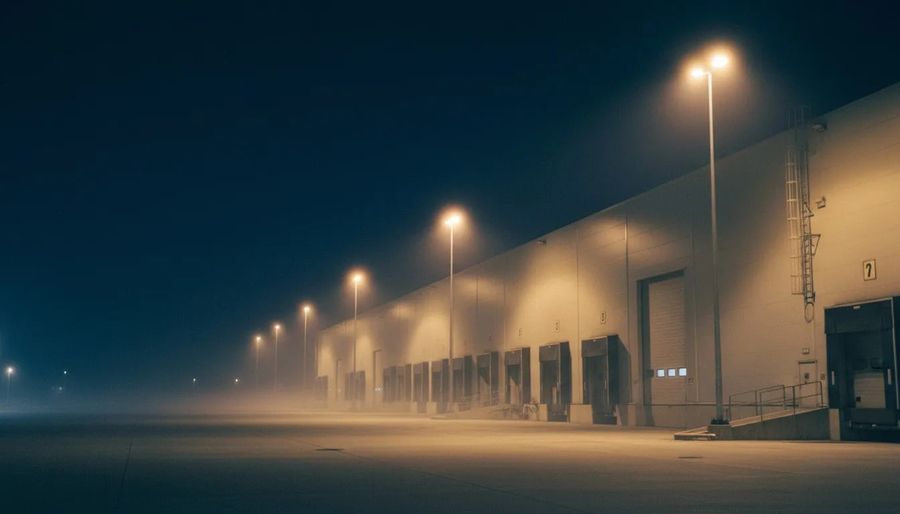
- 47 → 24%night level as a share of daytime load, before and after
- SEK 410,000lower electricity cost per year for the three terminals
- 14%below the baseline after six months, adjusted for volume and weather
Vasapark Fastigheter
Office buildings · 9 buildings · 61,000 m²
The bills looked like last year’s, so everyone believed operations were under control. In the first week of hourly data a garage fan turned up that had been running around the clock since 2023.
Vasapark connected nine office buildings with sub-metering on ventilation, garages and lighting. Besides the garage fan, the platform found heat recovery left in manual mode in three buildings and stairwell lighting without working presence control. Most of it was fixed by their own facility staff within a month.
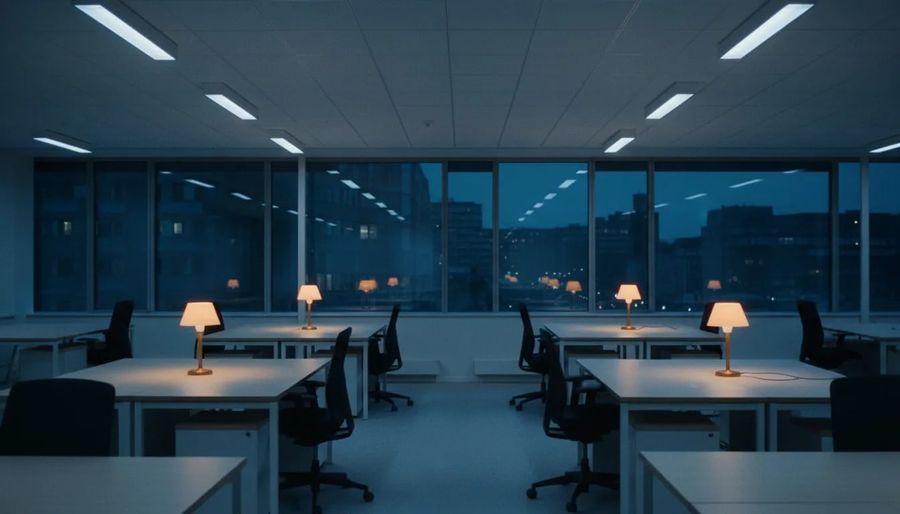
- SEK 96,000lower electricity cost per year after the first quarter’s fixes
- 3 weeksfrom connection to the first fixed anomaly
- 9 of 9buildings had at least one fixable night load
We thought we had it under control because the bill looked like last year’s. That fan never showed, because it had always been on.
Solvik Hotell & Konferens
Hotel and conference · 2 venues · 14,500 m²
The conference wing was fully ventilated every evening, hours after the last guest had left. The spa was heated through the whole low season, even though it was closed on weekdays.
Solvik connected both venues ahead of the winter season. The platform split the load per wing and showed that the ventilation schedule didn’t follow the bookings. Today the conference area runs on actual bookings, the spa heating drops automatically on the days it is closed, and the astronomical clock for the facade lighting is set right all year round.
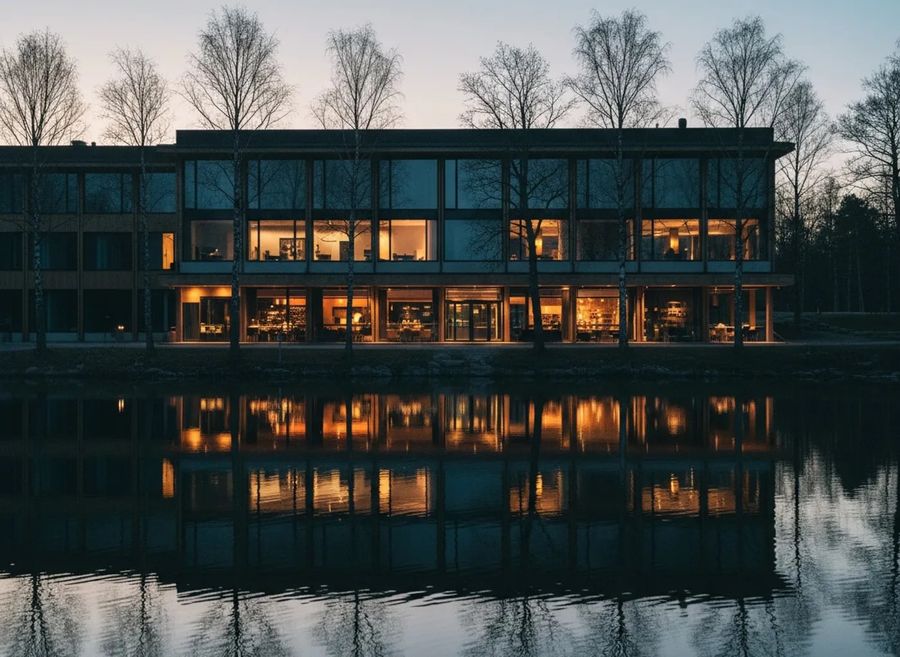
- SEK 137,000lower energy cost in the first year, both venues
- 18%lower electricity use in the conference wing
- 6 weeksfrom connection to measurable savings

What is hiding in your curves?
Book a demo and we’ll show you what a building like yours usually looks like in hourly data, and where the waste tends to be.